Statement From Physicians in Iran: ‘Being a Doctor Is Not a Crime’

Amid reports of state security forces arresting healthcare professionals in Iran for treating injured protesters, a group of physicians in Iran has issued a statement affirming that providing medical care is not a crime but a legal, ethical, and humanitarian obligation. Emphasizing their professional oath and binding medical regulations, the physicians stressed that treating injured individuals, especially in emergency and life-threatening situations, must be carried out without discrimination and regardless of a patient’s identity, beliefs, or circumstances.
They warned that the state prosecuting doctors for fulfilling these duties violates fundamental legal principles, undermines the healthcare system, and creates a dangerous climate of fear that could deter medical professionals from providing life-saving care, ultimately putting the public’s right to health at risk.
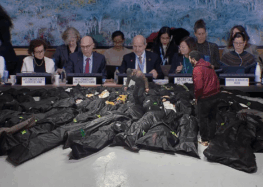
The Director-General of the World Health Organization (WHO) has also expressed grave concern over reports that health workers and medical facilities in Iran have been attacked, disrupted, and prevented from delivering essential care amid recent protests.
According to the WHO, health personnel have been assaulted, at least five doctors have been detained while treating injured patients, and intimidation of healthcare workers has been reported, prompting a call for the immediate release of any detained health staff.
In a letter, the World Medical Association has also raised alarm over a sharp rise in violence against health personnel in Iran, citing reports that security forces have arrested injured protesters inside hospitals and pressured medical staff to report patients with gunshot wounds to authorities. The WMA said non-compliance has exposed healthcare workers to prosecution and reprisals.
The global physicians’ body expressed outrage that doctors in Iran are being arrested and, in some cases, face the death penalty for treating the wounded, naming Dr. Alireza Golchini among those at risk for fulfilling their ethical duties. Condemning the misuse of medical facilities to aid repression, the WMA called for the immediate and unconditional release of detained physicians, protection of medical neutrality, safe working conditions for health workers, and independent investigations into alleged human rights violations.
Read the full translated statement by Iranian physicians below:
Being a Doctor Is Not a Crime
Statement by the Physicians and Law Group
Medicine is not only not a crime; under statutory law, principles of professional ethics, and international obligations, it is a legal and humanitarian duty. Upon entering the profession, physicians, based on the medical oath and regulations governing the health system, commit to assisting patients in life-threatening and emergency situations without any discrimination and to the fullest extent of their scientific and practical abilities. This commitment is independent of patients’ identity, occupation, beliefs, orientation, religion, or faith, and failure to uphold it can expose physicians to disciplinary and even legal liability.
During the recent events and protests, healthcare workers, particularly physicians, have treated the injured strictly within the framework of these legal and ethical duties. Such actions clearly constitute the fulfillment of professional obligations and carry no criminal character whatsoever. According to well-established legal principles, including the principle of legality of crimes and punishments and the principle of strict interpretation of criminal laws, an act emphasized by law, professional ethics, and the public interest cannot be criminalized or deemed punishable.
The issuance of aggravated and intensified sentences against physicians who have merely performed the inherent duties of their profession not only conflicts with the principles of judicial justice and proportionality between crime and punishment, but also entails wide-ranging, harmful social and professional consequences. Such an approach can create judicial fear among healthcare workers and deter them, in critical and emergency situations, from fulfilling their legal duties—ultimately placing citizens’ fundamental right to health and access to medical services at serious risk.
The Physicians and Law Group believes that legal protection for physicians while performing their duties is not a professional privilege, but a prerequisite for safeguarding public order, societal health, and the effectiveness of the country’s healthcare system. Criminalizing medical treatment draws a dangerous line between professional duty and criminal liability—one that is incompatible with the principles of public law, overarching health policies, and the state’s obligations toward protecting citizens’ lives.
The Physicians and Law Group further maintains that judicial and security authorities, by taking into account the special status of the medical profession and the long-term impact of judicial decisions on the collective memory of the medical community, can, through revisiting issued verdicts and refraining from imposing harsher penalties on these colleagues, adopt an approach aligned with legal rationality, judicial justice, and the public interest; an approach that will undoubtedly leave a clear, positive, and lasting mark in the professional memory of physicians and within the national healthcare system.