Over 200 Schoolchildren Killed by Security Forces in Iran: ‘They’ve Effectively Massacred an Entire School’

Families Forced to Carry Out Secret Burials, Banned from Publicly Mentioning Their Children’s Names
Teacher Associations Across Iran Express Outrage, Call for International Action
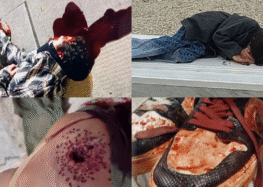
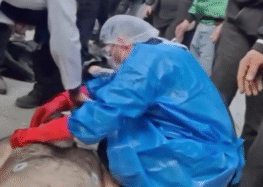
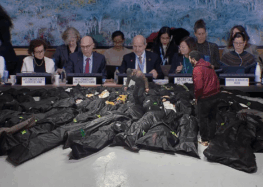
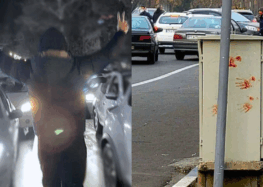
February 12, 2026 — At least 216 children were killed during the Islamic Republic’s brutal crackdown on protesters in January 2026, when Iranian security forces unleashed live ammunition, military-grade weapons, knives, and machetes to kill thousands of protesting civilians.
Hundreds of children have also been arbitrarily detained, subjected to enforced disappearance, and denied access to their families and legal counsel.
“If the global community fails to respond decisively when more than 200 schoolchildren are gunned down and buried in secret, it enables the gravest of crimes to be committed with impunity,” said Bahar Ghandehari, director of advocacy at the Center for Human Rights in Iran (CHRI).
“Hundreds of children are dead. Hundreds more are in detention and at grave risk of terrible abuses in state custody. This is a human rights emergency. The international community must urgently apply coordinated diplomatic and political pressure to demand the immediate release of all detained children and launch independent investigations to ensure accountability for their killings,” Ghandehari said.
The number of children killed and detained represents only what is known at this time. Due to the massive scale of the state’s violence across the country, ongoing repression, and the widespread communication blackouts, the full death toll is expected to increase. Overall, so far, HRANA has confirmed at least 6,506 protesters killed, in addition to the 215 children, with an additional 11,730 deaths under review.
CHRI calls on the UN High Commissioner for Human Rights, the UN Human Rights Council, the UN Special Rapporteur on Iran, UNICEF, and governments worldwide to:
- Forcefully condemn the lethal targeting of children by the Islamic Republic’s security forces;
- Impose targeted sanctions and pursue prosecution under universal jurisdiction of all state officials involved in the ordering or carrying out of these killings;
- Demand the immediate disclosure of the names, locations, and status of all detained children, and provide immediate access to their families and chosen lawyers;
- Demand the immediate release of all children detained during the recent protests;
- Refer Iran’s crimes against children to the UN Committee on the Rights of the Child and its conduct to international mechanisms on enforced disappearances.
Teacher Organizations Across Iran Express Rage and Grief Over Killings
On February 8, 2026, the Coordinating Council of Iranian Teachers’ Trade Associations released the names of 200 schoolchildren despite intense pressure and threats from the Iranian authorities to keep them silent, and called on international bodies, including UNICEF, the United Nations, and the UN Human Rights Council, to uphold their responsibility to protect children, investigate these grave violations, and hold the Islamic Republic accountable.
“These 200 children, each a student with dreams, rights, and a future, were taken by bullets, deprivation, and systematic violence. Their deaths are not isolated tragedies; they are the result of a deliberate policy that has rendered childhood, education, and life itself expendable.
“After extinguishing their lives, the authorities tried to erase their memory: banning the mention of their names, carrying out secret burials, and denying the truth of their killing.”
Mohammad Habibi, a prominent labor activist, teacher, and spokesperson for the Coordinating Council of Iranian Teachers’ Trade Associations, said:
“With the number reaching 200, they have, effectively, massacred an entire school. Imagine this: the school bell rings, but the yard is empty. 200 students. 200 backpacks. 200 futures laid to rest beneath the soil. This list is the failing report card of a government that answered questions with bullets.
“Every day we tell ourselves that this will be the last list…But tomorrow morning, new names arrive again.”
“The Islamic Republic still has no language for dialogue with the nation other than fire and punishment.”
The Iranian Teachers’ Trade Association in Tehran said in a statement on January 31, 2026:
“After nearly half a century of rule, the Islamic Republic still has no language for dialogue with the nation other than fire and punishment. Once again, the regime is attempting—through media propaganda and recycled “foreign agents” narratives, a worn-out and failed tactic tested since the 1980s—to wash the stain of these atrocities from its hands; oblivious to the fact that these lies are no longer even believable to the regime’s few remaining supporters.
“In less than a week, one of the bloodiest chapters of repression in contemporary Iranian history has unfolded. Tens of thousands of children, women, and men have been drenched in blood, and thousands more remain in security detention centers and prisons under the most inhumane conditions.”
“Continued presence of security, clerical, and Basij forces in schools amounts to a final blow to the education system.”
In a statement on February 11, 2026, the Coordinating Council of Iranian Teachers’ Trade Associations reported the presence of government forces inside schools following the street crackdown, citing testimonies that point to a systematic nationwide pattern.
“According to incoming reports, following the protests of January 8 and 9, schools have effectively become backyards of security institutions. Eyewitnesses report that individuals outside the educational staff—introduced as Basij forces, religious preachers, and plainclothes agents—have entered schools with pre-arranged agendas.
“Their mission, according to reports, has not been education but rather ‘ideological screening’ and the exertion of psychological pressure on students. These actions have transformed schools, which should serve as a child’s ‘second home’ and safe haven, into centers of tension and fear.
“Repeated interrogations, threatening questions, and the cultivation of a sense of ‘constant surveillance’ have effectively shifted schools from supportive institutions into sources of threat. Psychologists and school counselors, in messages to the Council, have warned that this trend is creating a sense of “institutional rejection”—a condition in which students perceive themselves not as valued members of the school community but as “security subjects.”
“An immediate consequence of this situation, according to reports, has been a rise in school absenteeism and a sharp decline in academic motivation.
“We call for the immediate withdrawal of all non-educational personnel from schools. Schools are not barracks. End the militarization of the educational environment so that schools can once again become safe spaces for Iran’s children.”
“The ruling authorities bear direct responsibility for the massacre.”
In a statement on January 31, 2026, the Teachers’ Trade Association in Harsin said:
“For more than four decades, we, the suffering people of Iran, have cried out in simple, understandable language with a clear voice that the lives of Iranians have revolved around poverty, hardship, insult, humiliation, the erosion of human dignity, and the decline of social values! Wake up and, before it is too late, listen to the voices of the angry, desperate, and protesting people.
“Yet, you have paid no attention to the protests of the people, the gatherings of retirees, the dissenting groups, and their legitimate demands, and have instead driven the very foundation of people’s lives into tragedies of massacres and continuous bloody repression.”
“Accordingly, the Council clearly states that:
-
- The ruling authorities bear direct responsibility for the massacre and bloody repression of the people and must, instead of spreading lies and shifting blame, be held accountable for these crimes before the Iranian public and independent international bodies.
- All detainees, including students, teachers, and labor and civil activists, must be released immediately and unconditionally.
- The militarization of schools, universities, and educational spaces must cease immediately. Education is not a battlefield.
- We call on all awakened consciences around the world to stand in solidarity with the people of Iran and not remain silent in the face of this state brutality.
“History has taught us that justice ultimately prevails, and those who today order repression will be cast into the dustbin of history and will inevitably be held accountable. What matters is which side of history we choose to stand on, the side of justice and enduring legacy, or the side of despots and oppressors.”
The Gilan Teachers’ Trade Association in Gilan Province also condemned the use of violence in a statement on February 3, 2026, saying:
“It is self-evident that peaceful protest is the undeniable right of the people. Continued repression will not resolve the existing crises; rather, it will deepen social divisions and intensify public suffering and mistrust. The only path out of the current situation is respect for the fundamental rights of the people, listening to the voices of protesters, and adherence to the principles of justice, law, and human dignity.”
The following list was published by the Coordinating Council of Iranian Teachers’ Trade Associations and includes the names of 200 schoolchildren who were killed by the Islamic Republic’s security forces during protests:
- ابوالفضل دهقانی — Abolfazl Dehghani
- امیر علی پرویزی — Amir Ali Parvizi
- مصطفی سرافراز اردکانی — Mostafa Sarafraz Ardakani
- امیرحسین دولتآبادی — Amir Hossein Dolatabadi
- کیاوش میرقاسمی — Kiavash Mirghasemi
- غزل جانقربان — Ghazal Janghorban
- محمدرضا مدنی — Mohammad Reza Madani
- بهار حسینی — Bahar Hosseini
- طاها صفری — Taha Safari
- امیرحسام خدایاری — Amirhesam Khodayari
- مصطفی فلاحی — Mostafa Fallahi
- امیرعلی حیدری — Amir Ali Heydari
- سینا اشکبوسی — Sina Ashkboosi
- مهرداد صادقی — Mehrdad Sadeghi
- بنیامین محمدی — Benyamin Mohammadi
- ابوالفضل بیگمحمدی — Abolfazl Big-Mohammadi
- آرنیکا دباغ — Arnika Dabbagh
- امیرسالار بهمنینژاد — Amirsalar Bahmaninejad
- ابوالفضل بختیارپور دورکی — Abolfazl Bakhtiarpour Dorki
- برنا دهقانی — Borna Dehghani
- ابوالفضل باجول — Abolfazl Bajoul
- ریبین مرادی — Rêbin Moradi
- ملینا اسدی — Melina Asadi
- بهار شادمهری — Bahar Shadmehri
- آرین قاسمی — Arian Ghasemi
- نارنینزهرا صالحی — Narnin-Zahra Salehi
- رهام سعادتی — Roham Saadati
- جبار پناهی آزاد — Jabbar Panahi Azad
- کیمیا کامیاب — Kimia Kamyab
- میلاد حسنزاده — Milad Hassanzadeh
- آرمین سلطانمحمدی — Armin Soltan-Mohammadi
- فائزه ایزدی — Faezeh Izadi
- دیاکو محمدی — Diako Mohammadi
- آرمین وفایی — Armin Vafaei
- مانی شفیعی — Mani Shafiei
- امیرمهدی کشاورز — Amir Mehdi Keshavarz
- مهدی گنجدانش — Mehdi Ganjdanesh
- طاها نادری — Taha Naderi
- معین تقیپور — Moein Taghipour
- پویا جعفری — Pouya Jafari
- علی اباذری — Ali Abazari
- محمدحسین پرنون — Mohammadhossein Parnoun
- علی مهری — Ali Mehri
- شایان اسدی — Shayan Asadi
- ماهان رستمی — Mahan Rostami
- علیمحمد صادقی — Ali-Mohammad Sadeghi
- ابوالفضل عزیزی — Abolfazl Azizi
- جاوید رضایی — Javid Rezaei
- حذیفه اوستاخ — Hozeyfeh Ostakh
- نیما نجفی — Nima Najafi
- آرین عشقی — Arian Eshghi
- سعید رضایی — Saeed Rezaei
- مسعود کریم — Masoud Karim
- محمد یاسین داودنبی — Mohammad Yasin Davood Nabi
- آنیلا ابوطالبیان — Anila Aboutalebian
- غزل دمرچلی — Ghazal Damarcheli
- مەهنا دودوشکانی — Mehna Doodoshkani
- مصطفی میرزایی — Mostafa Mirzaei
- آروین سالمیراد — Arvin Salemi-Rad
- مهدی مختاری بایگی — Mehdi Mokhtari Bayegi
- ابوالفضل قلعهگری — Abolfazl Ghaleh-Gari
- عباس کلهر — Abbas Kalaher
- امیررضا نوروزی — Amir Reza Norouzi
- امیرحسین قراگزلی — Amirhossein Gharaghezli
- ابوالفضل شیخویسی — Abolfazl Sheikh-Veisi
- ایوالفضل جاهدی — Ivalfazl Jahedi
- سیما ملکی — Sima Maleki
- سام صحبتزاده — Sam Sohbatzadeh
- امیرحسین حضرتی — Amir Hossein Hazrati
- امیرحسین دونلو — Amirhossein Donlou
- امیرعلی قنبرزاده — Amir Ali Ghanbarzadeh
- مهدی ضیایی — Mehdi Ziaei
- نیما عباسی یزدی — Nima Abbasi Yazdi
- بنیامین علیزاده — Benyamin Alizadeh
- رضا غیاثی — Reza Ghiasi
- متین عباسی — Matin Abbasi
- کامران علیزاده — Kamran Alizadeh
- علی آرمند — Ali Armand
- سهند ناصری کتکی — Sahand Nasseri Kataki
- مسیح شاهوردی — Masih Shahvardi
- امیرحسین مرادی — Amirhossein Moradi
- نازنین اسمیخانی — Nazanin Esmikhani
- ابوالفضل نوروزی — Abolfazl Norouzi
- مهیار کاکازاده — Mahyar Kakazadeh
- سودا اکرمیفر — Soda Akramifar
- هێمن محمدی — Hêman Mohammadi
- محمدحسین ساریخانی — Mohammadhossein Sarikhani
- ایمان فرعی — Iman Far’i
- مسیح بیگدکی — Masih Bigdaki
- نیما جعفری — Nima Jafari
- میلاد تیموری — Milad Teymouri
- امیرمحمد لطفی — Amir Mohammad Lotfi
- محمدپویا کریمآبادی — Mohammad Pouya Karimabadi
- سهیل فتوحی — Soheil Fotouhi
- اسرا طاوسینیا — Esra Tavousinia
- سامیار علیپور — Samyar Alipour
- ثنا توسنگی — Sana Tousangi
- محمدمهدی صفری — Mohammad Mehdi Safari
- ساجده کریمی — Sajedeh Karimi
- امیرعباس مومنی — Amirabbas Momeni
- ایلیا قدسی — Ilya Ghoddusi
- پرنیان دلیریآبکناری — Parnian Deliri-Abkenari
- ارشیا عسکری — Arshia Askari
- محمد طاها سپهوند — Mohammad Taha Sepahvand
- امیرحسین محمدزاده — Amirhossein Mohammadzadeh
- ابوالفضل موسوی — Abolfazl Mousavi
- رضا امیری — Reza Amiri
- امیرعلی ذاکری — Amir Ali Zakari
- یلدا محمدخانی — Yalda Mohammadi
- ستایش صمدی — Setayesh Samadi
- عرفان حسننژاد — Erfan Hassannejad
- احمد رعنایی — Ahmad Ranaei
- رضا کاووسی — Reza Kavousi
- نیما کدخدایی — Nima Kadkhodaei
- محمد یزدانی — Mohammad Yazdani
- امیرحسین سرتیپی — Amirhossein Sartipi
- سجاد خالقزاده — Sajjad Khaleghzadeh
- پارسا بیرانوند — Parsa Beiranvand
- پارسا لرستانی — Parsa Lorestani
- امیرمحمد سگوند — Amir Mohammad Sagvand
- نیما نینواپور — Nima Ninavapour
- نیما عباسی — Nima Abbasi
- ابوالفضل رجایی — Abolfazl Rajaei
- رامتین میرزادخت — Ramtin Mirzadokht
- نیوشا حمیدی — Niousha Hamidi
- پارسا امینی — Parsa Amini
- کسری وفاپور — Kasra Vafapour
- امیرعلی فلاحپور — Amir Ali Fallahpour
- امیرمسعود احمدی — Amir Masoud Ahmadi
- شیوا جاوید — Shiva Javid
- محمدرضا علیزادهنسب — Mohammadreza Alizadeh-Nasab
- مهرداد ابراهیمی — Mehrdad Ebrahimi
- مانی هداوند — Mani Hadavand
- ابوالفضل وحیدی — Abolfazl Vahidi
- سودابه سربندی — Soudabeh Sarbandi
- رضا مرادی — Reza Moradi
- پویا درخشان — Pouya Derakhshan
- مبین یعقوبزاده — Mobin Yaghoubzadeh
- پارسا معدنچیان — Parsa Madanchian
- سام افشاری — Sam Afshari
- عرفان فرجی — Erfan Faraji
- پدرام خالویی — Pedram Khalouei
- طاها هوشیار — Taha Houshyar
- امیرعباس رضابخش — Amirabbas Rezabakhsh
- علی غلاملو — Ali Gholamloo
- فردوسی شهریار — Ferdowsi Shahryar
- علیاصغر حسینی — Ali-Asghar Hosseini
- زهرا معبودیزرنق — Zahra Maboodi-Zarnagh
- علیرضا ولیپور — Alireza Valipour
- حسن مقامی — Hassan Moghami
- حسین کایدی — Hossein Kaidi
- علی حسنزاده — Ali Hassanzadeh
- امیرعلی پهلوانزاده — Amir Ali Pahlavanzadeh
- امیرعلی صیامی — Amir Ali Siamy
- امیرعلی یحیایی — Amir Ali Yahyaei
- رسول کدیوریان — Rasoul Kadivarian
- رضا کدیوریان — Reza Kadivarian
- محمد نوری — Mohammad Nouri
- امیر یکتائییگانه — Amir Yektaei-Yeganeh
- محمدرضا قلیوند — Mohammadreza Gholivand
- علیرضا پارسافر — Alireza Parsafar
- آرش احمدوند — Arash Ahmadvand
- سینا لواسانی — Sina Lavasani
- آیناز رحیمی حاجیآبادی — Ainaz Rahimi Hajiabadi
- طاها صادقی گزنی — Taha Sadeghi Ghazni
- محمد امین اکبریان — Mohammad Amin Akbarian
- سهیل الماسی — Soheil Almasi
- علی یغمورلو — Ali Yaghmourlou
- علی محمدی — Ali Mohammadi
- محمدصالح کنشلو — Mohammad Saleh Koneshlou
- جواد کاظمی — Javad Kazemi
- محمد سلطانیفر — Mohammad Soltani-Far
- علی امیردادی — Ali Amirdadi
- محمد متین باقری — Mohammad Matin Bagheri
- مهدی مهمدی کرتلایی — Mehdi Mohamadi Kartalaei
- فاطمهرها تاجیان — Fatemeh-Raha Tajian
- اسماعیل پیشرو — Esmail Pishro
- محمد ابراهیم بختیاری — Mohammad Ebrahim Bakhtiari
- امیر حسین سرباز — Amir Hossein Sarbaz
- سروش اسحاقی — Soroush Eshaghi
- آرمان گرجیان — Arman Gorjian
- علیرضا سیدی — Alireza Seydi
- علیرضا صیدی — Alireza Seidi
- یاسین الهی — Yasin Elahi
- نوید ناظمی ملکی — Navid Nazemi Maleki
- یزدان افروغ — Yazdan Forough
- ابوالفضل یغموری — Abolfazl Yaghmouri
- محمد رضا قربانی — Mohammadreza Ghorbani
- مانی صفرپور — Mani Safarpour
- سمیرا خانی — Samira Khani
- حسنی شهدوستی — Hasani Shahdosti
- امیرعلی مولایی — Amirali Molaei
- امیرمهدی نعمتینژاد — Amir Mehdi Nemati-Nejad
- ملیکا شاهمرادی — Melika Shahmoradi
- امیرعلی موذنی — Amirali Mozani
- آروین مرادی — Arvin Moradi
- عرشیا نرجآبادی — Arshia Narj-Abadi
- امیریکتا — Amir Yekta
- علی مناتی — Ali Manati
- دانیال داداشیار رازلیقی — Danial Dadashyar Razlighi
This report was made possible by donations from readers like you. Help us continue our mission by making a tax-deductible donation.