UN Rights Chief Urges Halt to Executions, Warns of Escalating Repression Iran
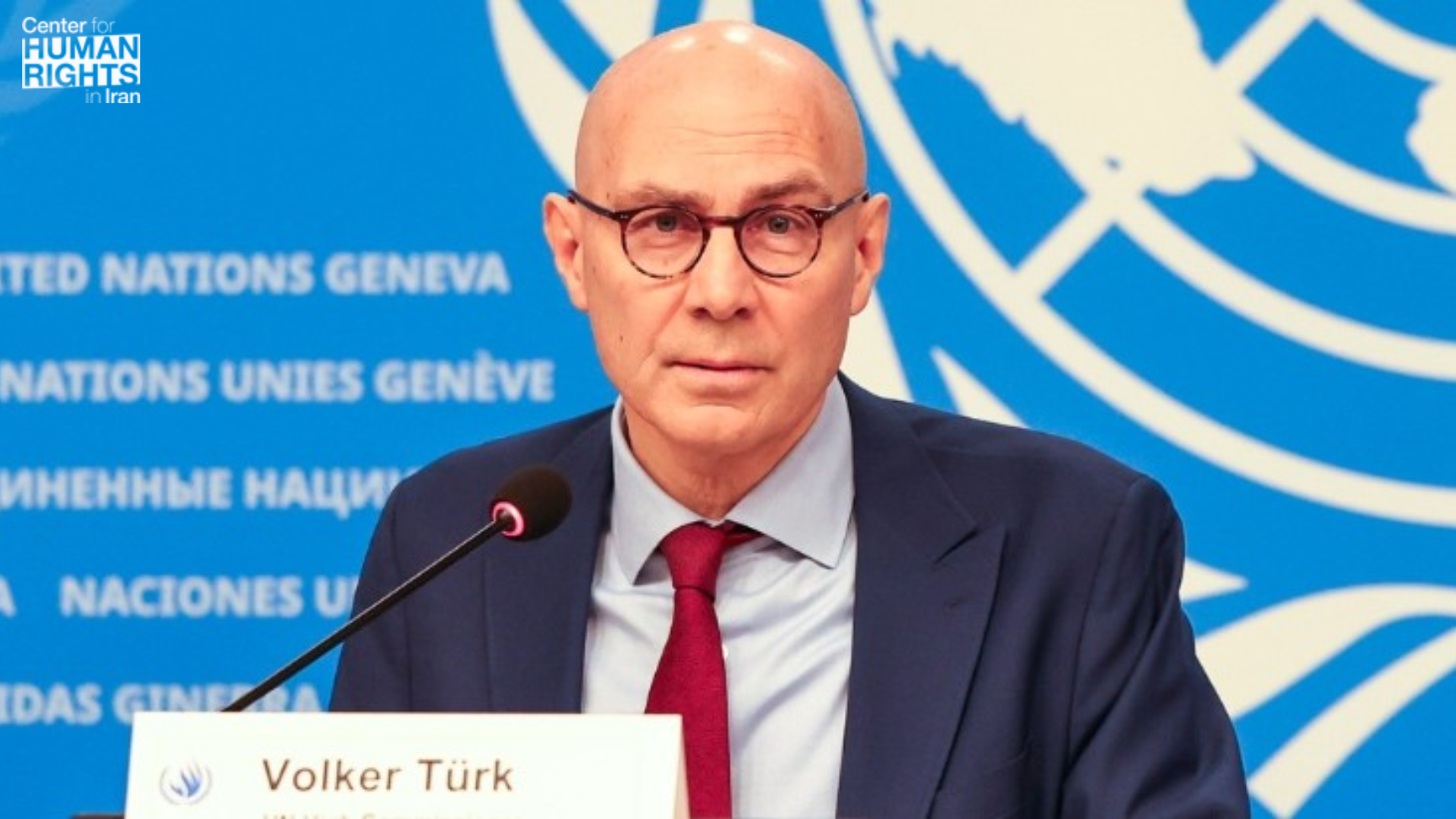
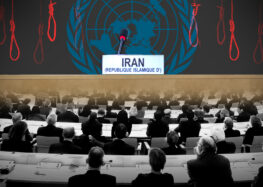
On April 29, 2026, UN Human Rights Chief Volker Türk condemned Iran’s escalating crackdown on dissent, citing executions, mass arrests, and widespread human rights violations carried out under the pretext of national security.
Türk called for an immediate halt to executions, the establishment of a moratorium on the death penalty, and the release of those arbitrarily detained.
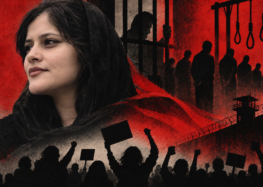
At least 21 people have been executed in recent months, while more than 4,000 have been detained since late February, many reportedly subjected to torture, enforced disappearance, and unfair trials.
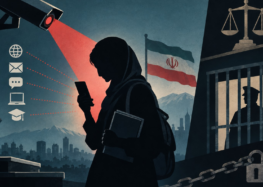
Türk further criticized lethal force against prisoners, mass asset seizures, and a nationwide internet shutdown exceeding 60 days, saying the measures are deepening Iran’s human rights and humanitarian crisis.
He also warned of deteriorating prison conditions, including severe overcrowding and shortages of food, water, and medical care. Concerns have intensified for prominent detainees such as Nobel Peace Prize laureate Narges Mohammadi and human rights lawyer Nasrin Sotoudeh, whose health and whereabouts are at risk.
Read the full press release below.
Iran: Türk deplores crackdown on dissent, says rights of all Iranians must be respected
29 April 2026
GENEVA – UN Human Rights Chief Volker Türk today deplored the crackdown by Iranian authorities on dissent – in particular through the use of national security-related charges. At least 21 individuals have been executed and thousands of others arrested.
Since the start of the devastating joint Israeli-US attacks on Iran two months ago, at least nine people have been executed in connection with the January 2026 protests, ten for alleged membership in opposition groups, and two on espionage charges.
“I am appalled that – on top of the already severe impacts of the conflict– the rights of the Iranian people continue to be stripped from them by the authorities, in harsh and brutal ways,” said Türk.
“In times of war, threats to human rights increase exponentially. Yet even where national security is invoked, human rights can only be limited where strictly necessary and proportionate, and for a legitimate end. And core, non-derogable rights – such as protection against arbitrary detention, and the right to fair trial – must be respected absolutely, at all times.”
“I call on the authorities to halt all further executions, establish a moratorium on the use of capital punishment, fully ensure due process and fair trial guarantees, and immediately release those arbitrarily detained.”
Under Iran’s broad and vague definition of national security crimes, many individuals – including children – remain at risk of capital punishment. Those accused are often subject to expedited judicial proceedings and denied access to legal counsel of choice. The use of torture and mistreatment has also been regularly reported. Some court verdicts issued against protesters – including at least nine who were executed – were reported to have been based on coerced confessions.
Since 28 February, more than 4,000 individuals are estimated to have been arrested on national security related charges in Iran. Many detainees have been forcibly disappeared, tortured, or subjected to other forms of cruel, inhuman and degrading treatment, including coerced – and sometimes televised – confessions and mock executions. Individuals from ethnic and religious minorities, including Bahá’ís, Zoroastrians, Kurds, and Baluch Iranians, have been at particular risk.
Dozens of prisoners have been transferred to unknown locations with no information on their fate, among them human rights lawyer Nasrin Sotoudeh.
“Conditions of detention in Iran’s prisons are dire,” said Türk. “Detainees suffer from severe overcrowding and acute shortages of food, water, hygiene supplies, medicine and are denied medical care.”
The health of Nobel Peace Prize laureate, Narges Mohammadi, who remains imprisoned under high-risk conditions, and held alongside violent offenders, is reportedly worsening after she suffered a heart attack. Her medical condition is also compounded by existing chronic medical conditions resulting from her arrest.
In Chabahar Prison, detainees who protested the prolonged suspension of food distribution were met with lethal violence. Security forces reportedly killed at least five and injured 21 after confronting protestors. Two additional detainees died in custody, in a different prison, with indications that they had been subjected to torture.
The mass confiscation of assets is also being used as a tool of transnational repression and punishment, the High Commissioner said. Authorities have reportedly seized assets of some 675 citizens, including 400 Iranians living abroad – among them actors, athletes, executives, and journalists – labelling them “traitors to the homeland”, accusing them of supporting military strikes on Iran and cooperating with “hostile groups”. A newly-launched financial tracking system, “Sahm”, now enables courts and prosecutors nationwide to identify and seize citizens’ assets electronically.
Access to the internet in Iran has now been almost entirely shut down for 61 days, making it one of the longest and most severe shutdowns ever recorded globally.
“This is denying people across the country access to vital information, silencing independent voices, and inflicting enormous social and economic harm,” the High Commissioner said. “It is exacerbating an already precarious humanitarian and economic situation, and must be lifted immediately.”