Attacks on Essential Infrastructure Will Have Catastrophic Consequences for Millions of Civilians Across the Region
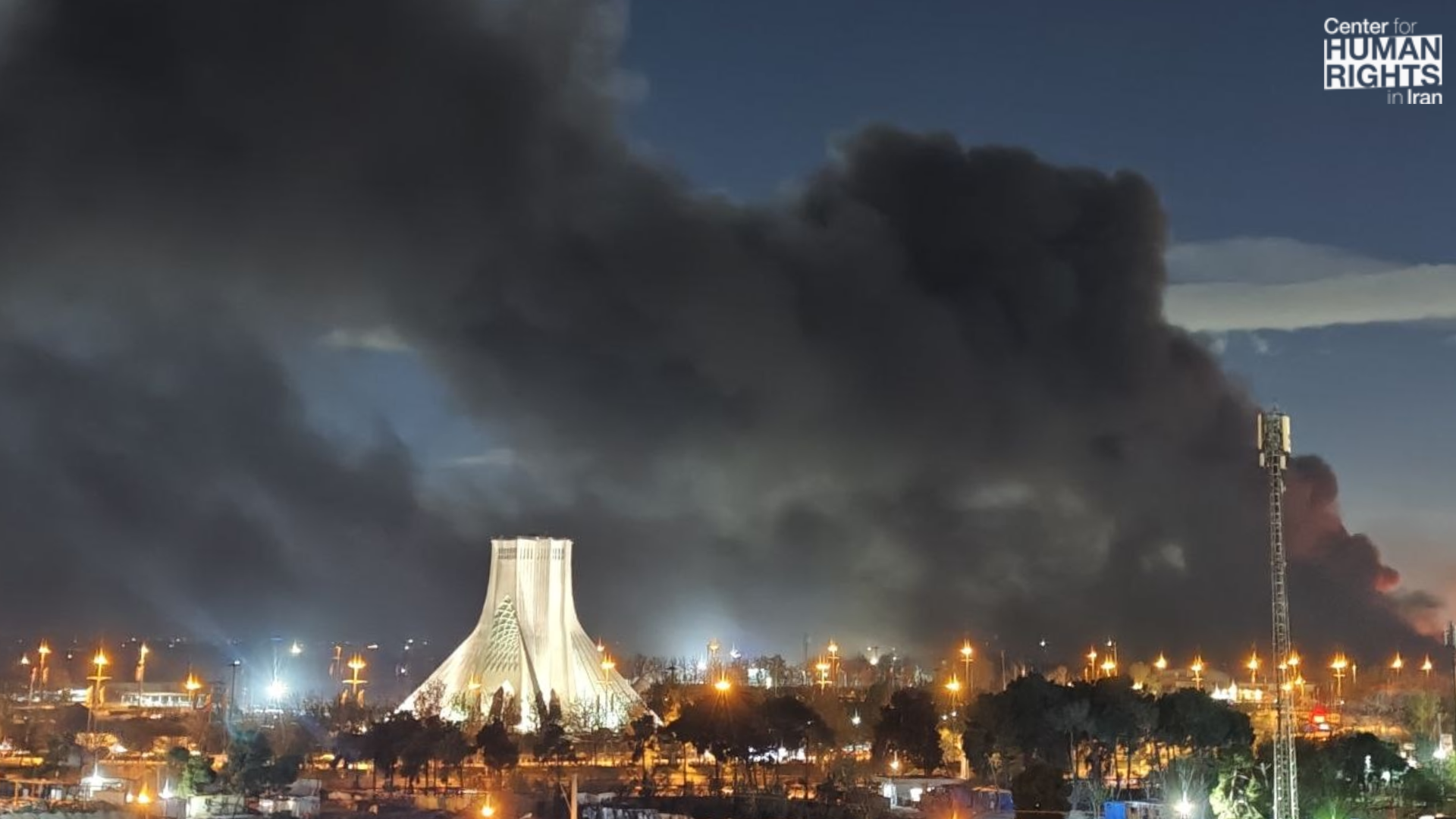
April 6, 2026 — In the context of the ongoing threats and attacks against civilians and civilian infrastructure across the region, including power plants, water treatment facilities, and bridges, the Center for Human Rights in Iran (CHRI) urgently reminds all parties to the current conflict of their binding obligations under international humanitarian law, including the four Geneva Conventions of 1949 and their Additional Protocols.
These legal frameworks establish fundamental protections for civilians during armed conflict, including the principles of distinction, proportionality, and precautions in attack. They strictly prohibit directing attacks against civilians or civilian objects, as well as indiscriminate or disproportionate attacks.
Objects indispensable to the survival of the civilian population, including drinking water installations, electricity networks, and medical facilities, are afforded special protection and must not be targeted.
Damage to essential civilian infrastructure has devastating and well-documented humanitarian consequences. Strikes on power systems can trigger prolonged blackouts, disabling hospitals, disrupting water treatment and sanitation systems, and undermining food supply chains. Damage to water infrastructure increases the risk of waterborne disease, while destruction of transport infrastructure, such as bridges, restricts access to medical care and humanitarian assistance. The reverberating effects of such attacks are widespread, long-lasting, and disproportionately borne by civilians.
As emphasized by international humanitarian organizations, the destruction of critical infrastructure in armed conflict can lead to cascading public health emergencies and the collapse of essential services, placing millions of civilians at acute risk.
Continued attacks affecting essential civilian infrastructure by all sides to the conflict will result in catastrophic humanitarian consequences for millions across the region.
CHRI calls on all parties to exercise maximum restraint, strictly adhere to international humanitarian law, and take all feasible measures to protect civilians and civilian objects.
The international community must act urgently to reinforce these obligations and help prevent a large-scale humanitarian disaster.