Civilians Must Be Protected At All Times During War
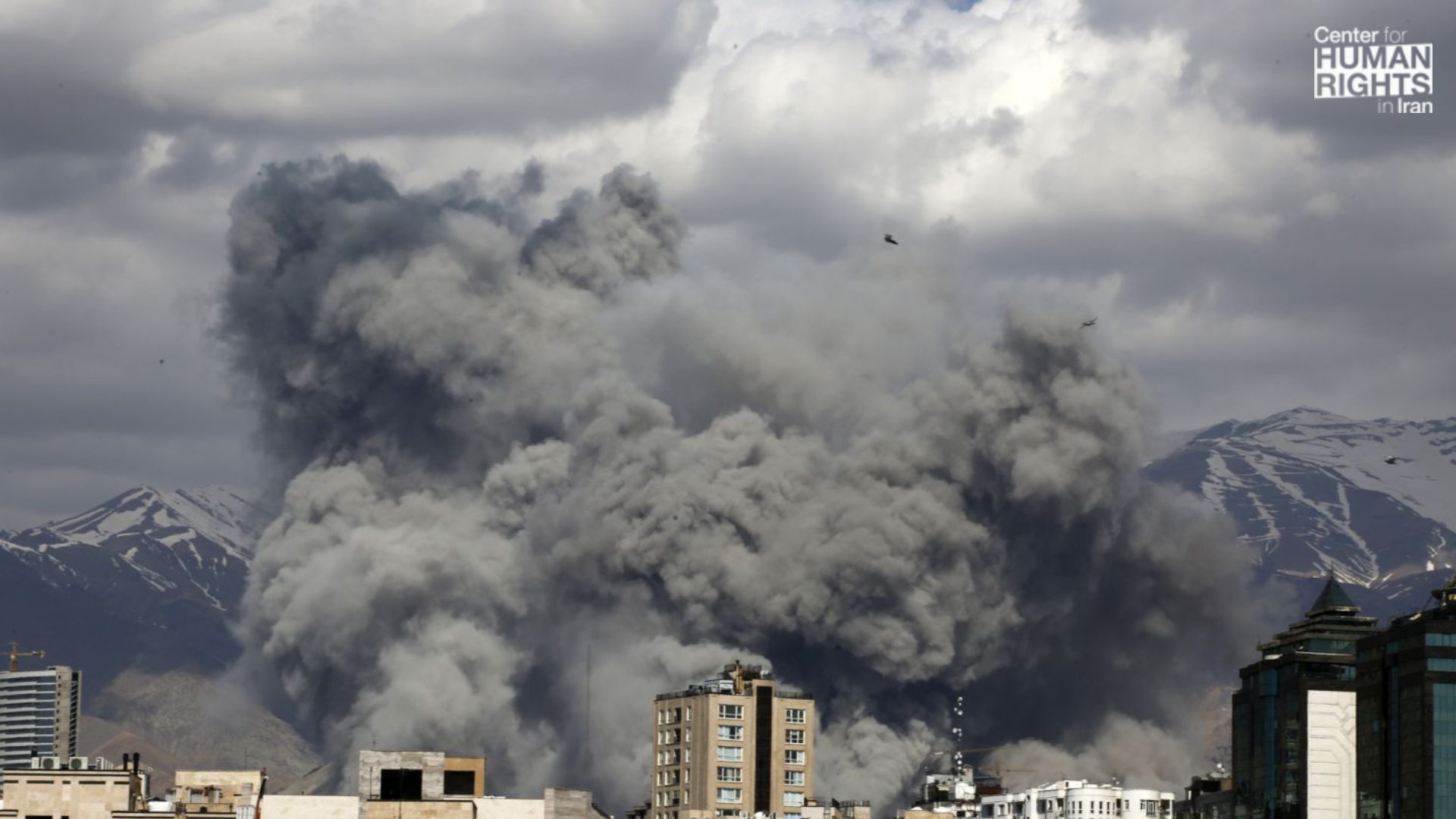
Deliberate attacks on civilians and civilian infrastructure are prohibited under international humanitarian law and would constitute war crimes
The Center for Human Rights in Iran (CHRI) strongly condemns threats to target Iran’s bridges, power plants, or any other essential civilian infrastructure. Deliberately attacking civilians and civilian infrastructure is prohibited under international humanitarian law and would constitute a war crime.
All parties to the conflict are bound by international humanitarian law, including the four Geneva Conventions of 1949 and their Additional Protocols, which require combatants to take all feasible steps at all times to protect civilian lives and civilian infrastructure.
CHRI calls on all parties to exercise maximum restraint, fully comply with their obligations under international humanitarian law, take all feasible measures to protect civilians and civilian infrastructure, and return to an immediate ceasefire.
Infrastructure indispensable to the survival and well-being of the civilian population—including power plants, electricity networks, drinking water facilities, hospitals, and sanitation systems—is granted special protection under international humanitarian law and must not be targeted.
The latest US strikes have targeted southern Iran, home to some of the country’s most marginalized communities. These areas are already facing extreme heat, widespread electricity outages, and severe water shortages, compounding the humanitarian risks posed by damage to essential infrastructure.
In southern Iran, attacks on essential civilian infrastructure could have catastrophic humanitarian consequences. Damage to power, water, transportation, or port infrastructure would further disrupt access to safe drinking water, medical care, emergency services, food, fuel, and other life-sustaining services. Prolonged power outages during extreme temperatures place lives at immediate risk, particularly those of children, older persons, people with disabilities, and individuals with underlying medical conditions.
The foreseeable humanitarian impact of such attacks would be borne overwhelmingly by civilians, underscoring the obligation of all parties to protect civilian infrastructure under international humanitarian law.