UN Experts Condemn Iran’s Crackdown on Independent Lawyers
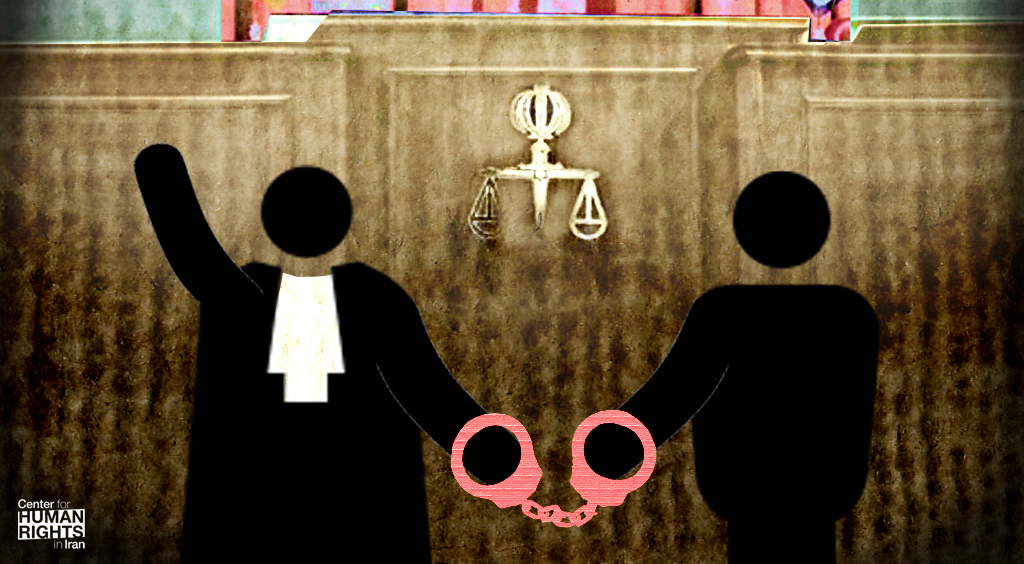
In a statement published on November 9, 2026, 13 UN experts have condemned the Iranian authorities’ escalating crackdown on independent lawyers, warning that the arrest, prosecution, and intimidation of independent attorneys defending protesters and political defendants are depriving detainees of essential legal protections and undermining the right to a fair trial.
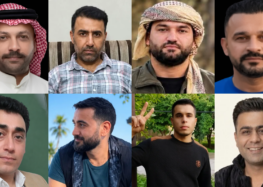
The statement says at least 135 lawyers reportedly faced judicial or security measures between September 2025 and September 2026, including arrest, summons, detention, imprisonment, suspension or dismissal, and travel bans. At least 23 lawyers were arrested following the January 2026 nationwide protests.
“Independent lawyers are increasingly being prosecuted and intimidated for their professional work and for defending human rights. This also harms their clients, leaving them increasingly vulnerable to arbitrary detention, coerced confessions, unfair trials and severe penalties,” the experts said.
In June 2026, the Center for Human Rights in Iran (CHRI) warned that as domestic repression intensified, Iranian authorities were increasingly targeting the country’s independent legal community. In just the first few months of this year, dozens of lawyers have been arrested, summoned, prosecuted, or imprisoned, pointing to a systematic effort to intimidate independent attorneys, obstruct legal representation in political cases, and shield state abuses from accountability.
Read the full statement below.
Right to legal defence under attack in Iran, warn UN experts
09 November 2026
GENEVA – Iranian authorities must immediately end the escalating persecution, intimidation and judicial harassment of independent lawyers and interference with the independence of bar associations, UN experts* said today.
“Independent lawyers are increasingly being prosecuted and intimidated for their professional work and for defending human rights,” the experts said. “This also harms their clients, leaving them increasingly vulnerable to arbitrary detention, coerced confessions, unfair trials and severe penalties.”
Between September 2025 and September 2026, at least 135 lawyers reportedly faced judicial or security measures, including arrest, summons, detention, imprisonment, suspension or dismissal and travel bans. At least 23 lawyers, including five women, were reportedly arrested in January and February 2026 after the nationwide protests.
Authorities have reportedly instructed lawyers not to take protest-related cases, and courts have obstructed independent lawyers from representing defendants in politically sensitive proceedings. “Defendants’ choice of counsel has often been restricted to court-appointed lawyers at the initial stages of the investigation and independent lawyers’ access to clients and case files have also been restricted,” the experts said.
“When independent lawyers are arrested or intimidated for defending their clients, the consequences extend far beyond the legal profession: defendants are deprived of one of their most fundamental safeguards against abuse and injustice.”
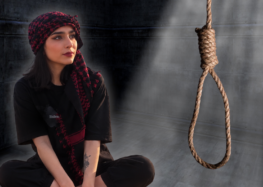
A clear illustration of this is the arrest of human rights lawyer Amirsalar Davoudi on 11 October. Davoudi was arrested after appearing before the Isfahan Revolutionary Court for his clients, Taraneh and Romina Rahimi. Taraneh was sentenced to death for enmity against God (moharebeh), and Romina to 25 years’ imprisonment for aiding and abetting moharebeh in connection to January 2026 protests.
Women lawyers face gender-specific pressure, including warnings, suspensions and disciplinary measures over alleged ‘improper dress’ or non-compliance with compulsory hijab requirements, as well as intimidation and smear campaigns questioning their morality and professional competence.
The experts warned of growing pressure on the independence of bar associations. Bar elections have reportedly been disrupted or annulled, and candidates seen as critical of the State barred from standing. Bar council candidates must be approved by the Supreme Disciplinary Court for Judges, reportedly after intelligence checks. The Judiciary has expanded its own licensing of legal advisors outside the bar, and affiliated networks such as Basij lawyers have reportedly emerged.
“Lawyers must be able to perform their professional functions without intimidation, hindrance, harassment or improper interference,” the experts said.
“The right to an effective defence, fair trials and the rule of law itself are at stake.”
*The experts:
- Mai Sato, Special Rapporteur on the situation of human rights in the Islamic Republic of Iran
- Margaret Satterthwaite , the Special Rapporteur on the independence of judges and lawyers
- Gina Romero, the Special Rapporteur on the rights to freedom of peaceful assembly and of association
- Andrea Bolaños Vargas, the Special Rapporteur on the situation of human rights defenders
- Pau Pérez Sales, the Special Rapporteur on torture and other cruel, inhuman or degrading treatment or punishment
- Matthew Gillett (Chair-Rapporteur), Ethan Hee-Seok Shin (Vice-Chair on Follow Up) and Nicolás Laino, Working Group on Arbitrary Detention;
- Ivana Krstić (Chair), Haina Lu (Vice-Chair), Claudia Flores, Laura Nyirinkindi and Daniela Salazar Marín, Working Group on discrimination against women and girls
Special Rapporteurs/Independent Experts/Working Groups are independent human rights experts appointed by the United Nations Human Rights Council. Together, these experts are referred to as the Special Procedures of the Human Rights Council. Special Procedures experts work on a voluntary basis; they are not UN staff and do not receive a salary for their work. While the UN Human Rights office acts as the secretariat for Special Procedures, the experts serve in their individual capacity and are independent from any government or organisation, including OHCHR and the UN. Any views or opinions presented are solely those of the author and do not necessarily represent those of the UN or OHCHR.