Ten Civil Society Groups Inside Iran Vow to Continue the Struggle for Freedom Ahead of Fourth Anniversary of Mahsa Amini’s Killing
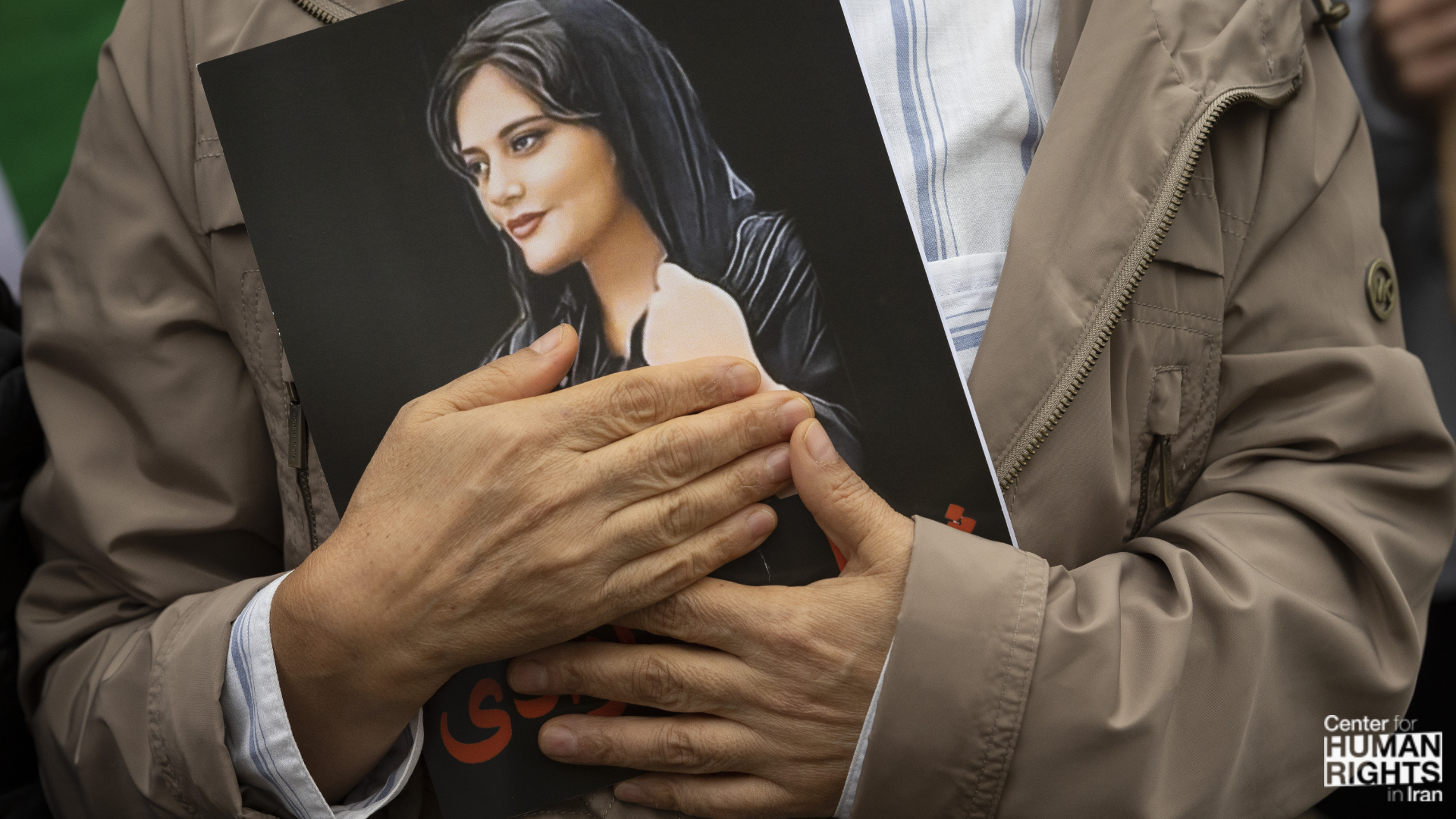
September 9, 2026 — As Iran approaches the fourth anniversary of the Woman, Life, Freedom uprising, a diverse group of labor and civil society groups has issued a joint statement reaffirming the movement’s demands for freedom, equality, economic security, and an end to repression and executions.
The statement is notable for bringing together 10 groups representing different sectors of Iranian society, including oil workers, nurses, retirees, women’s rights activists, and anti-execution campaigners. Their collective call underscores the continued breadth of opposition to state repression and the persistence of the movement’s core demands beyond the 2022 mass protests.
In September 2022, a mass anti-government uprising swept across Iran following the death of 22-year-old Mahsa Jina Amini in state custody after her arrest for “improper” hijab. The uprising was ultimately crushed by a brutal state response that led to over 500 protesters being gunned down in the streets by security forces, countless protesters maimed and injured, hundreds intentionally blinded by gunshots, and tens of thousands arrested.
This new statement from voices inside Iran comes amid an escalating crackdown in the country, including widespread arrests, executions, restrictions on civil society, and intensified pressure on activists and protesters. In such an environment, publicly speaking out against state policies and repression can carry significant risks for those who sign such statements.
The signatories also link the Woman, Life, Freedom movement to the January 2026 protests, which were met with a deadly state massacre leading to the killing of thousands of protesters, arguing that the movement has continued to evolve despite repeated efforts by the authorities to suppress it. Their statement further rejects the use of war and a heightened security environment as a justification for intensified repression, warning that continued crackdowns have failed to silence popular demands.
Read the full text of their statement below.
Statement by Social and Labor Organizations in Iran
On the Fourth Anniversary of the Continuing “Woman, Life, Freedom” Revolution
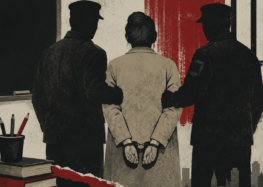
Four years ago, [22]-year-old Mahsa (Jina) Amini, from Saqqez in Kurdistan, was arrested in Tehran for not wearing the mandatory hijab and killed by the government’s morality police.
Mahsa’s killing ignited a fire against more than four decades of oppression, discrimination and corruption. Once again, protesters resolved to put an end to poverty, inequality, discrimination and repression, and to fight for welfare, equality and freedom.
Mahsa became the code name of a movement that quickly captured the hearts of millions of people and the civilized world around the globe. The cry of “Woman, Life, Freedom” was heard in different languages across the world.
The eight months of unprecedented struggle and solidarity among protesters in 2022-2023, which began with breaking through the barrier of the mandatory hijab, went on to produce some of the most glorious moments of struggle in the contemporary history of Iran and, in another sense, the first women-led revolution.
The magnitude of the Mahsa Revolution was so profound and overwhelming that the regime’s machinery of repression had no choice but to resort to the killing and arrest of thousands of protesters.
With the occurrence of this historic turning point, nothing ever returned to the way it was before.
Protests and confrontations between the people and the government continued, with their own ups and downs. Eventually, in another wave [starting in December 2025], protests against poverty, inflation, corruption and repression led to the streets being occupied, from the most remote parts of the country to Tehran and across cities large and small.
People in Abdanan, Ilam, and elsewhere showed that they have no red lines when it comes to securing their livelihoods and well-being, and that no justification, propaganda, or excuse can any longer disguise their poverty with deceptive rhetoric.
Following the 12 days of street demonstrations and the eruption of nationwide protests in January 2026, the Islamic regime put its previously prepared plan into action. Using heavy machine guns, live ammunition and targeted shootings—including inside hospitals—it subjected the people to one of the most horrific street massacres, leaving thousands dead over the course of two days, on January 8 and 9, with utter brutality and ruthlessness.
But once again, the response delivered another shock to the government. Instead of being intimidated, the mourning and defiance of bereaved families seeking justice and an enraged public demonstrated that all the prevailing traditions, doctrines and culture of submission, along with the reactionary rituals and laws imposed upon society, must be buried. Mourning itself thus became another arena of confrontation and resistance.
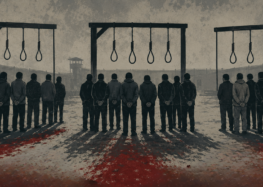
Despite this bloody repression, the Mahsa Revolution, under the banner of “Woman, Life, Freedom,” and the dynamic and profound continuation of the movement, demonstrated that progress and victory are possible even in the face of the most brutal dictatorships. For the first time in Iran’s history, the demand to “End Executions” became a central slogan of progressive movements.
Through its warmongering regional policies, and by taking advantage of the flames of war and the benefits it has derived from the wartime environment and sanctions, the Islamic Republic has imposed the most severe and widespread levels of poverty, deprivation and repression on society, along with greater suppression and daily executions. Yet even this degree of violence and deprivation has failed to force society into submission or push it backward. According to warnings from the regime’s own security sources, the government has reached a point where it could face the most powerful waves of popular protest at any moment.
While protesters in the streets are shouting, “Enough warmongering, our tables are empty,” the authorities, instead of responding to the people’s legitimate demands, have chosen to intensify the climate of war and warmongering—continually and periodically reproducing it—as a way to escape their crises, avoid confronting popular anger and prepare to suppress it.
There is no doubt that the revolution’s determined steps toward reclaiming and transforming every dimension of life and freedom have continued forward, and that resistance against right-wing fascist forces—whether dressed in the guise of monarchy and patriotism or operating under the banner of a reformed religion and faith, as arms of capital and exploitation—will become increasingly organized.
We will remove the obstacles standing in the way of gaining power and exercising our will over all aspects of life, and we will not stop moving forward until we build a modern, joyful and prosperous world for all human beings, regardless of gender, race or intellectual beliefs.
We, the undersigned organizations and individuals, call on all activists, organizations and honorable people to commemorate the anniversary of the Mahsa Revolution as magnificently as possible and to honor the memory of all those who lost their lives on the path to freedom.
Signatories:
- Kermanshah Electrical and Metal Workers Association
- No to Executions
- Justice-Seeking Families
- Council of Iranian Retirees
- Coordinating Council of Contract Oil Workers’ Protests
- Coordinating Council of Informal Oil Workers’ Protests (Third-Party/Non-Permanent Workers)
- Coordinating Council of Nurses’ Protests
- Voice of Iranian Women
- Street Protest Demands Movement of Gilan
- Sunday Protest Demands Movement of Kermanshah